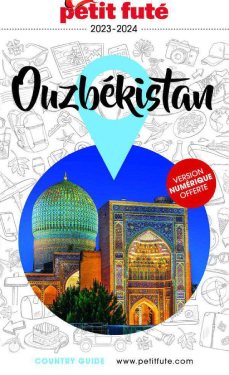
Les Voyages retraçant la célèbre Route de la Soie, la découverte de l’Ouzbekistan en groupe, en individuel et en voyage organisé
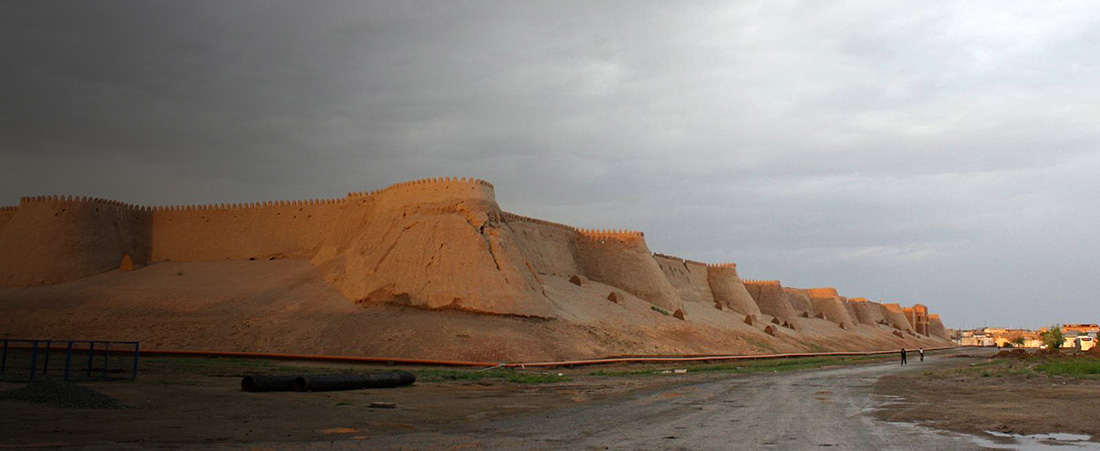
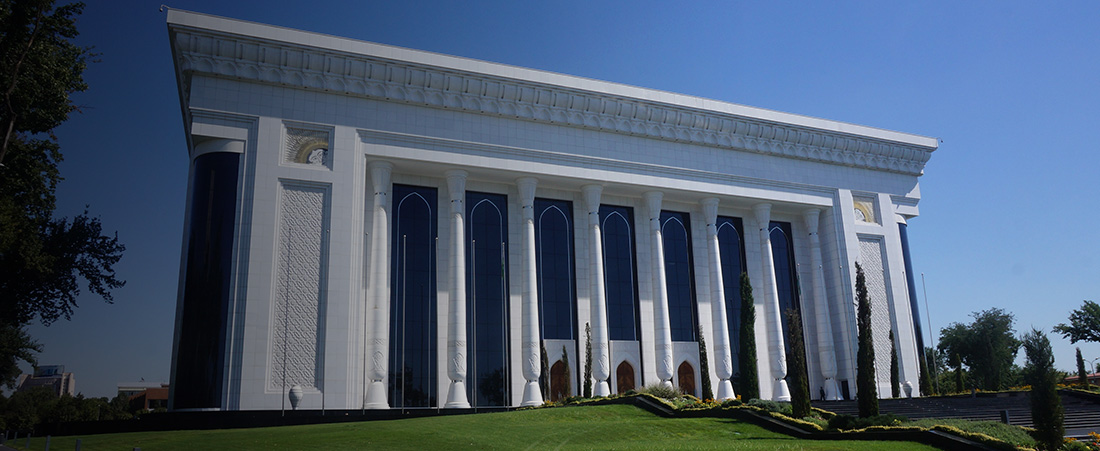
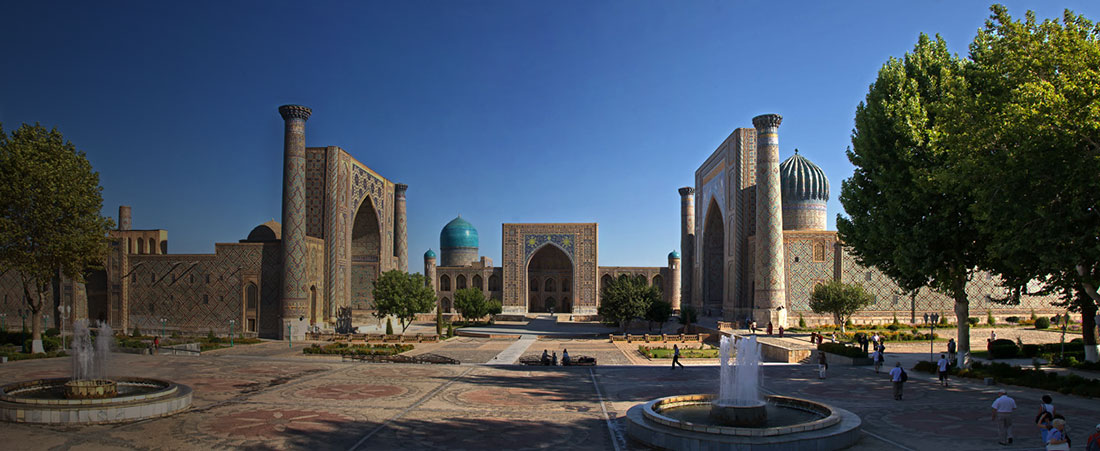
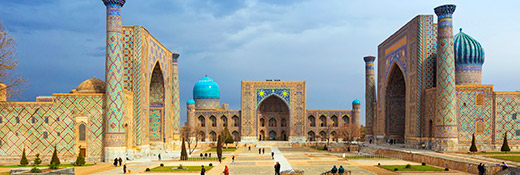
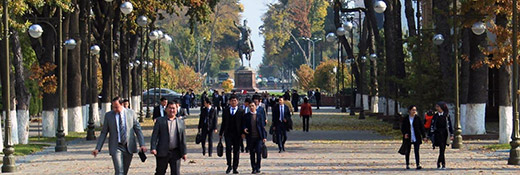
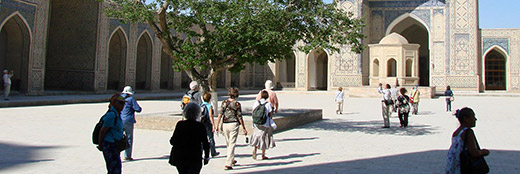
Des villes aux trésors insoupçonnés en Ouzbékistan: Boukhara la sainte avec sa gigantesque citadelle, Khiva la mystérieuse et enfin Samarcande la grande avec la célèbre place du Régistan et ses nombreuses médersas, une des plus anciennes villes de l’histoire, capitale culturelle de l’Ouzbekistan et sans aucun doute un des plus beaux joyaux d’Asie centrale, Tachkent, la capitale de l’Ouzbékistan est la plus grande ville moderne et cosmopolitaine de l’Ouzbékistan, la vallée de Fergana, baignée de jardins florissants.
ADMIREZ LA SPLENDEUR DU PASSÉ ET JOUISSEZ DE LA CORDIALE HOSPITALITÉ DES HABITANTS!
BIENVENU EN OUZBÉKISTAN! O’ZBEKISTONGA XUSH KELIBSIZ!
Voir:


À propos de Marakanda Travel
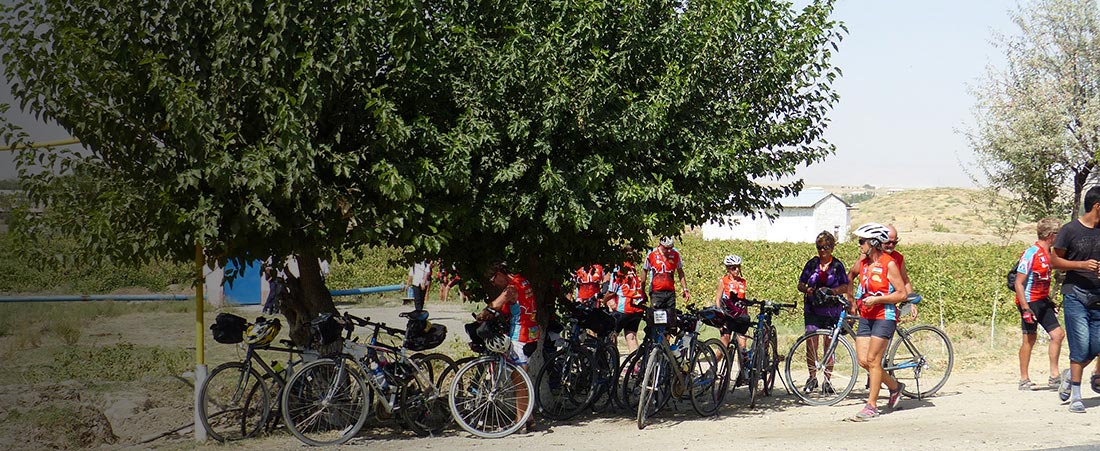
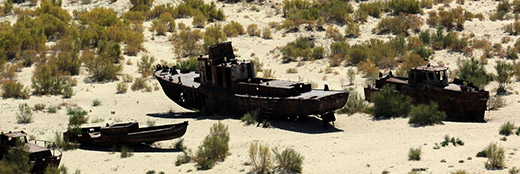
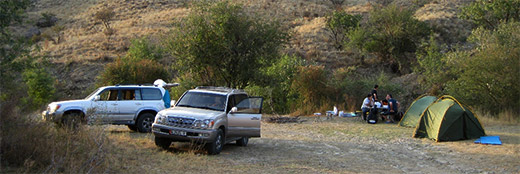
Agence licenciée de voyage réceptive locale francophone basée à Tachkent, Marakanda Travel conçoit ses propres circuits à travers tout l'Ouzbékistan. L'agence dispose d'une solide offre de voyages thématiques, notamment autour des traditions culinaires et du naturalisme. Autre domaine d'expertise : les voyages écotouristiques et actifs pour tous niveaux allant de la randonnée facile dans des décors inviolés au trekking de longue haleine, des randonnées équestres ou en VTC ou VTT et VAE en passant par les circuits en moto, en 4x4, en mer d'Aral.
Marakanda Travel souhaite promouvoir le tourisme durable et solidaire, en séjournant dans des villages authentiques!
L’équipe de Marakanda Travel se tient à l'écoute des voyageurs pour définir le programme le plus adapté. Sur place, nous assurons le bon déroulement de votre voyage et nous espérons vivement et restons à votre disposition pour tous renseignements complémentaires.
Voir plus d'informations sur Marakanda Travel
Livre d’or

Voyage privé Ouzbékistan
août 2023
Notre séjour était magnifique et parfaitement organisé par Marakanda Travel. C'est une agence extrêmement professionnelle et l'ensemble des prestation étaient de grande qualité et à la hauteur de nos exigences : guide francophone, hôtels, repas, chauffeurs. Kamol et Elbek ont été à l'écoute tout au long de notre séjour et ont conçu pour un un voyage privé sur mesure, s'adaptant à notre rythme car nous voyagions avec un enfant C'est un pays fabuleux à découvrir impérativement.
Écrit le 21 août 2023
Nadia Nourdine
Nous proposons différentes sortes de voyages et d'activités culturelles aux voyageurs:
-
Réservation d’hôtels de charme à cinq étoiles et chez l’habitant en Ouzbékistan;
-
Voyage sur mesure, de la Randonnée facile au trekking, Séjours à vélo, Excursion Botanique, Ornitologie, Traditions Culinaires, Découverte de l'Agriculture, les Séjours alternatifs écologiques;
-
Prestations de guides et d’ interprêtes;
-
Réservation et achat des billets d’avion pour des vols locaux et de train;
-
Différents moyens de transports confortables de déplacement selon vos désirs;
-
Voyages et services sur mesure pour les voyages d'affaires et les voyageurs individuels.
|
|
|
|
Travelife Certificat de tourisme durable |

|
|
|
|
Le lauréat 2024 choisi par TripAdvisor Agence de voyage bien organisé selon le site de notation par Trip Advisor |

|
|
|
|
Agence recommandée |